1
2
3
4
5
6
7
8
9
10
Strategic
design


1
Strategic Design
2
Sample
Preperation
3
Enzyme
Digestion
Ligation
Transformation*
Plating
Media Dispensing & Incubation
Colony
Picking
9
10
Hit Picking
or Glycerol
Stocks


What happens:�Researchers design constructs, select vectors and hosts, and define experimental goals.
Common challenges:
Design decisions made without considering downstream screening or throughput needs.
Constructs optimized for expression but not for ease of screening or selection
Why it matters:
Early design choices determine how easy it will be to distinguish successful clones later. Poor alignment between design and screening strategy often leads to unnecessary iterations.
1

Strategic design�
What happens:�DNA samples are prepared, purified, and quantified ahead of enzymatic steps.
Common challenges:
Inaccurate DNA concentration estimates
Contaminants that interfere with downstream digestion or ligation
Why it matters:
Poor sample prep can silently compromise later steps, even if transformations appear successful.
Strategic design

Sample Preparation�
What happens:�Restriction enzymes or other assembly methods generate compatible DNA fragments.
Common challenges:
Incomplete digestion
Star activity or off-target cuts
Inconsistent reaction conditions across samples
Why it matters:
Digestion inefficiencies often surface much later, when clone screening yields unexpected results.
Strategic design
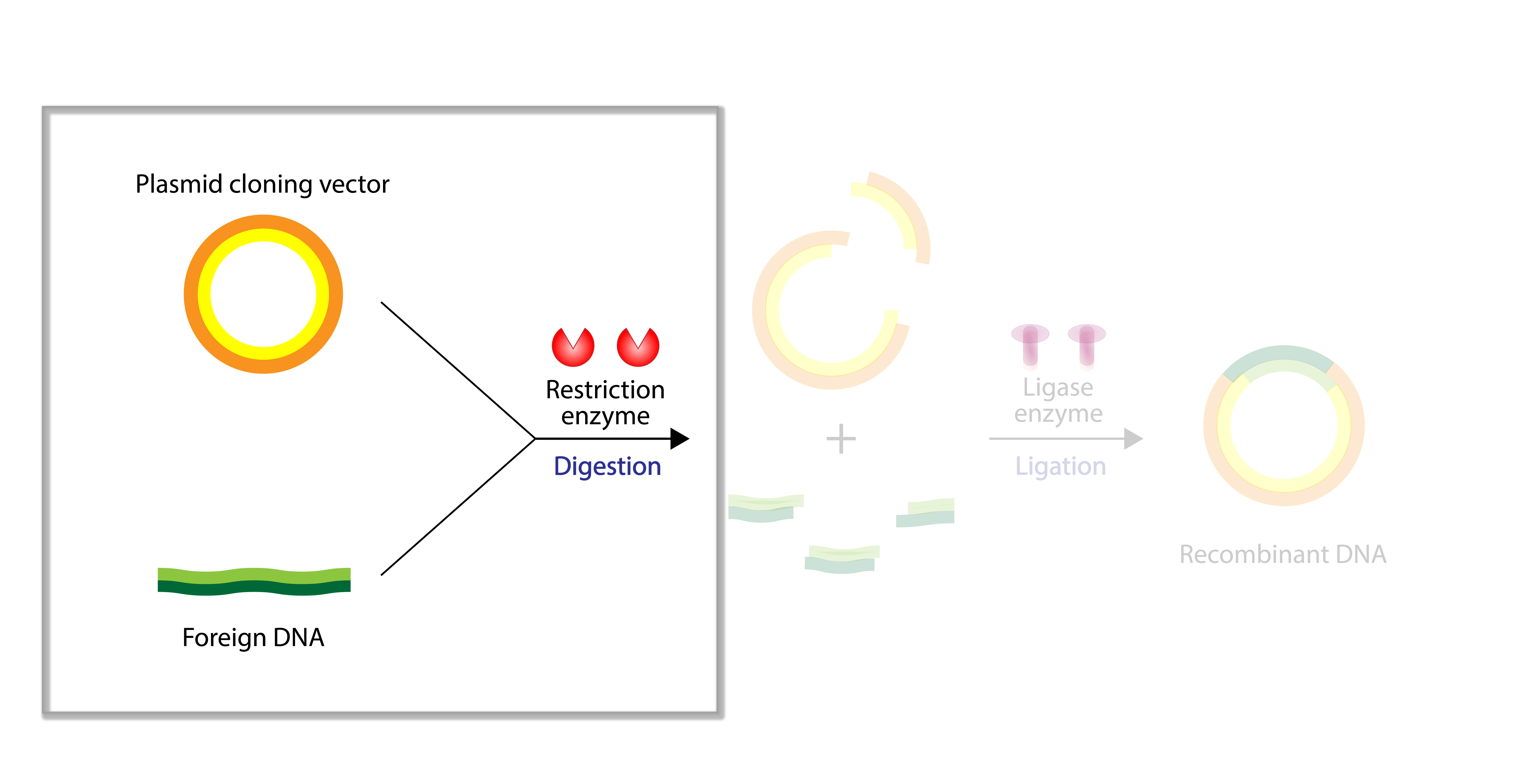
Enzyme Digestion�
What happens:�DNA fragments are ligated into vectors.
Why it matters:
Low-quality ligation reactions increase downstream screening burden, making accurate colony selection more critical.
Strategic design
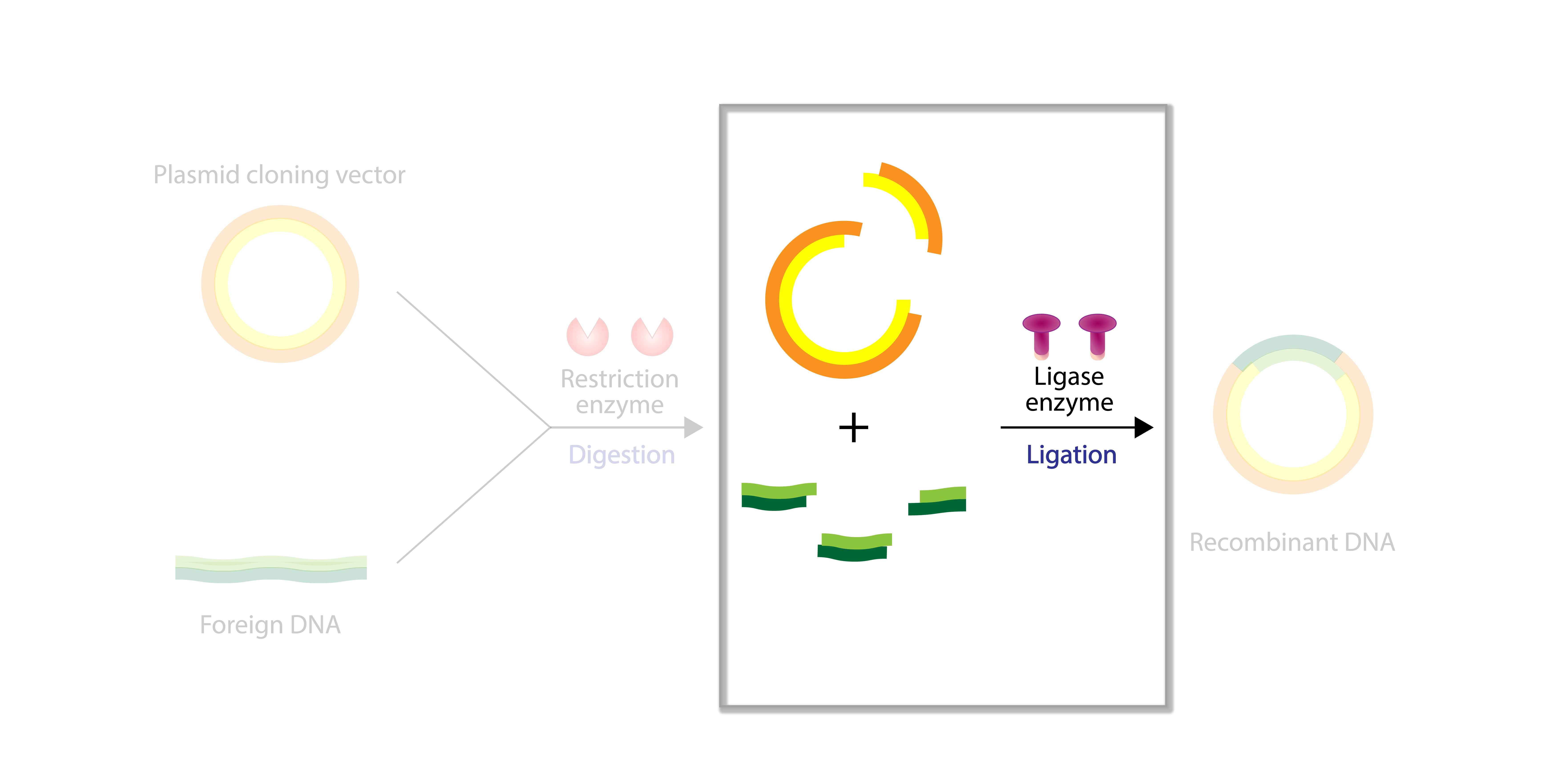
Ligation�
What happens:�Ligated DNA is introduced into a host organism (chemical or electroporation methods).
Common challenges:
Variable transformation efficiency
Uneven recovery between samples
Limited control over downstream colony density�
Why it matters:
Transformation efficiency directly affects colony density on plates, which in turn influences plating, streaking, and selection quality.
Strategic design
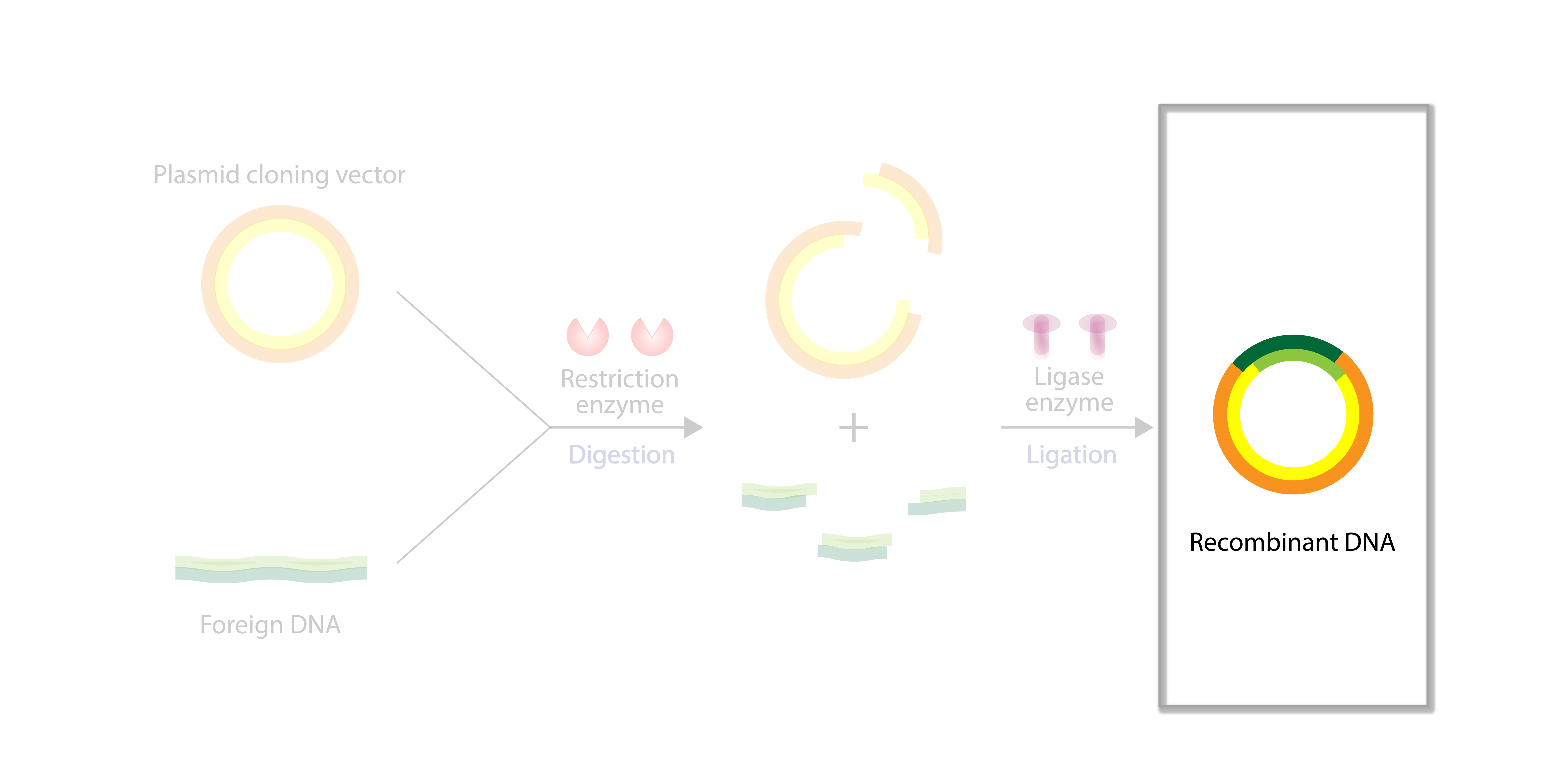
Transformation*
What happens:�Transformed cells are plated onto solid media.
Common challenges:
Uneven spreading leading to overcrowded or sparse plates
Plate-to-plate variability
Inconsistent colony separation�
Why it matters:
Poor plating introduces variability that cannot be corrected later. Overlapping colonies and uneven distribution make reliable selection difficult and increase the risk of picking mixed populations.
Plating
What happens:�Individual colonies are selected and transferred for downstream analysis.�
Common challenges:
Subjective selection based on visual inspection
Missed phenotypes due to subtle morphology or pigmentation differences
Operator-to-operator variability
Fatigue during high-throughput or hypoxic workflows�
Why it matters:
Colony selection is one of the most consequential steps in molecular cloning. Errors here propagate downstream, leading to failed sequencing, misleading assays, or repeated experiments.
Colony Picking�
What happens:�Picked colonies are grown and evaluated through assays, sequencing, or expression analysis.
Common challenges:
Inconsistent growth monitoring
Difficulty in detecting slow-growing or non-viable clones
Why it matters:
When upstream steps are inconsistent, downstream assays become less reliable and more costly.
Growth & Assay�
What happens:�Successful clones are preserved or expanded for future work.�
Common challenges:
Loss of promising clones due to poor traceability
Difficulty reproducing results in follow-up experiments
Why it matters:
Confidence in hit selection depends entirely on the consistency and documentation of earlier steps.�
Hit Picking or Glycerol Stocks�
2
3
4
5
6
8
9
10
Common challenges:
Low ligation efficiency
High background from self-ligation or incorrect assemblies�
*Note: The QPix FLEX does not perform heat shock.
How automation helps:
Automated plating standardizes how cells are distributed across plates, improving consistency and reducing variability between experiments.�

What happens:�Plates are incubated to allow colonies to grow.
Common challenges:
Inconsistent colony size due to uneven starting conditions
Overgrowth that obscures subtle morphological differences��
Why it matters:
Uniform growth conditions are essential for comparing colonies accurately, especially in workflows where morphology correlates with function.

Media Dispensing & Incubation
7
How automation helps:
Image-based, criteria-driven selection enables more consistent and reproducible colony picking. High-resolution color imaging helps distinguish subtle features that are difficult to detect by eye.�


How automation helps:
Automation ensures consistent, high-throughput growth monitoring, saves time, scales easily, and integrates advanced assays, all while delivering reliable data for confident decision-making.�


Sample Preparation�

Enzyme Digestion�

Ligation�

Transformation*

Plating�

Media Dispensing & Incubation�

Colony Picking�

Growth & Assay�

Hit Picking or Glycerol Stocks�

QPix FLEX Microbial Colony Picker�

SpectraMax iD5e Multi-Mode Microplate Reader�

QPix FLEX Microbial Colony Picker
Bring consistency to the most variable steps of molecular cloning, so you can select the right colonies faster and move downstream with confidence.
Built by scientists, for scientists, the QPix FLEX system is an automated microbial colony workcell designed to standardize plating, streaking, and colony selection – three of the most error-prone steps in molecular cloning. Combining high-resolution color and white-light imaging with precise automation, the QPix FLEX enables image-based, criteria-driven colony selection that reduces operator bias and improves reproducibility across experiments. Its compact footprint, rapid onboarding, and compatibility with hypoxic or anaerobic environments make automation accessible for academic labs, startups, and growing research teams alike.
QPix FLEX Automated Microbial Colony Workcell�


Learn more
Strengthen cloning decisions with fast, flexible DNA and biomolecule quantitation, so downstream experiments start with confidence.
Built by scientists, for scientists, the SpectraMax iD5e Multi-Mode Microplate Reader provides flexible, high-performance detection for DNA, RNA, protein, and microbial assays critical to molecular cloning workflows. Supporting five detection modes – absorbance, fluorescence, luminescence, time-resolved fluorescence (TRF), and tunable fluorescence polarization (FP) – the SpectraMax iD5e reader enables accurate nucleic acid quantitation, purity assessment, and contaminant detection before samples advance to sequencing, expression analysis, or functional assays. Its hybrid optical system, precise temperature control, and intuitive touchscreen interface deliver consistent, reproducible measurements, while SoftMax® Pro Software streamlines data acquisition and analysis with a broad library of preconfigured protocols, making the iD5e a reliable quality-control checkpoint in modern cloning workflows.�
SpectraMax iD5e Multi-Mode Microplate Reader�
Learn more
Plan constructs, vectors, and hosts with downstream screening and throughput in mind to reduce rework later.
Prepare, purify, and quantify DNA to ensure clean, reliable inputs for enzymatic reactions and cloning success.
Generate compatible DNA fragments through restriction digestion or assembly methods that set the foundation for correct cloning.
Join DNA fragments into vectors—reaction quality here directly impacts downstream screening efficiency.
Introduce ligated DNA into host cells, where transformation efficiency determines colony density and selection quality.
Distribute transformed cells evenly on solid media to promote consistent colony separation and reliable downstream picking.
QPix FLEX standardizes plating to reduce variability and overcrowding.
Support uniform colony growth under controlled conditions so meaningful differences can emerge clearly.
Select and transfer individual colonies based on defined criteria rather than subjective visual judgment.�QPix FLEX uses image-based, criteria-driven selection to improve reproducibility.
Expand and evaluate picked colonies using assays that confirm identity, function, or expression.�SpectraMax iD5e enables reliable, multi-mode detection for confident analysis.
Preserve validated clones with proper traceability so results are reproducible and ready for future work.
*The QPix FLEX does not perform heat shock.
Growth
& Assay
Incubate 37oC
4
5
6
7
8